

Introduction
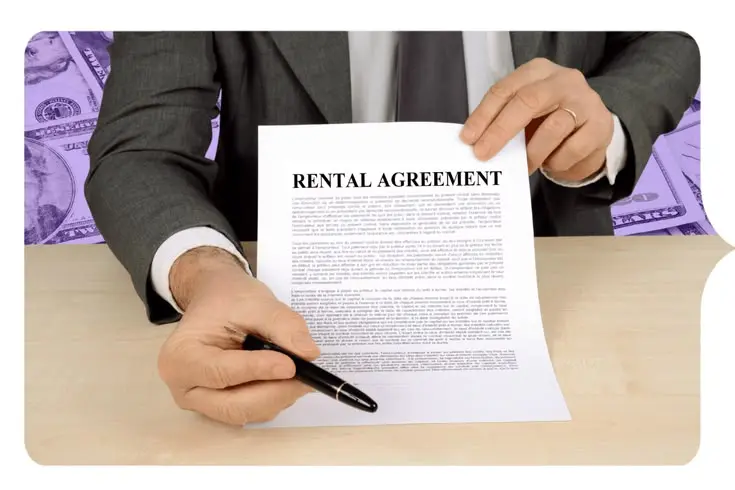
A rental agreement template explained in simple terms is a pre-structured document used between a landlord and tenant to define the terms of renting a property. It is one of the most important legal documents in the real estate world because it helps both parties understand their rights, responsibilities, and obligations clearly. Whether you are renting a house, apartment, office, or commercial space, a proper agreement ensures smooth communication and prevents future disputes.
In today’s fast-growing rental market, many people prefer using a rental agreement template explained format because it saves time and reduces legal confusion. Instead of drafting a contract from scratch, users can fill in essential details like rent amount, duration, deposit, and rules. However, understanding what each section means is equally important to avoid mistakes.
This article will guide you through everything you need to know about rental agreement template explained in a simple and practical way. You will learn what it is, why it matters, how to use it step-by-step, its benefits, risks, and common mistakes. By the end, you will be able to confidently understand and use a rental agreement without confusion or legal trouble.
What is Rental Agreement Template Explained?
A rental agreement template explained is a standardized document that outlines the terms under which a property is rented. It acts as a legal contract between the landlord (property owner) and the tenant (person renting the property). This document includes all essential details such as rent amount, payment schedule, security deposit, maintenance responsibilities, and rules for using the property.
In simple words, a rental agreement template explained helps both parties avoid misunderstandings. Instead of verbally agreeing, everything is written and signed, making it legally valid. The template format makes it easier for users because they only need to fill in the blanks rather than drafting complex legal language.
These templates are commonly used for residential and commercial properties. They are designed to be flexible, meaning you can customize them based on your needs. However, even though they are simple, it is important to understand each section before signing. Misunderstanding any clause can lead to disputes later. That is why knowing the rental agreement template explained in detail is essential for both landlords and tenants.
Why is Rental Agreement Template Explained Important?

A rental agreement template explained is important because it protects both parties from legal and financial issues. Without a written agreement, misunderstandings about rent, repairs, or property usage can easily arise. This document ensures clarity from the beginning.
Another reason it is important is legal protection. If any dispute occurs, the agreement acts as evidence in court. It clearly shows what both parties agreed upon. This reduces the chances of fraud or unfair treatment.
Additionally, a rental agreement template explained helps in setting expectations. For example, it defines who will handle maintenance, what happens if rent is delayed, and how long the tenant can stay. This clarity builds trust between landlord and tenant and ensures a smooth renting experience.
Detailed Step-by-Step Guide
Step 1: Collect Basic Information
Start by gathering essential details such as landlord name, tenant name, property address, and contact information. These details form the foundation of the rental agreement template explained document.
Step 2: Define Rent Terms
Clearly mention monthly rent, due date, payment method, and late fee rules. This ensures transparency and avoids confusion later.
Step 3: Security Deposit Details
Include the amount of security deposit, conditions for refund, and deductions if any damage occurs.
Step 4: Duration of Agreement
Specify whether it is a monthly, yearly, or fixed-term lease. This section is important in every rental agreement template explained format.
Step 5: Rules and Responsibilities
List rules such as pet policy, maintenance duties, and property usage guidelines.
Step 6: Signatures
Both parties must sign the document to make it legally valid. Without signatures, it is not enforceable.
Benefits of Rental Agreement Template Explained
A rental agreement template explained offers several advantages for both landlords and tenants. These benefits make renting safer and more organized.
- Saves time by providing ready-made structure
- Reduces legal confusion and misunderstandings
- Clearly defines rights and responsibilities
- Helps in resolving disputes legally
- Ensures financial transparency between parties
- Protects both landlord and tenant from fraud
- Easy to customize according to needs
Disadvantages / Risks
Even though a rental agreement template explained is useful, it also has some limitations.
- May not cover all unique legal situations
- Poorly written templates can cause confusion
- Some users may skip reading important clauses
- Legal language may still be difficult for beginners
- Incorrect details can lead to disputes
- Not always updated with local laws
Common Mistakes to Avoid
Many people make errors when using a rental agreement template explained, which can lead to serious problems later.
One common mistake is not reading the full document before signing. Another is leaving blank spaces that can be misused later. Some tenants and landlords also forget to clearly mention maintenance responsibilities, which creates confusion.
Another mistake is ignoring legal terms or assuming all templates are the same. Every rental agreement template explained should be reviewed carefully based on local laws. Lastly, not keeping a signed copy is a major error that should always be avoided.
FAQs
1. What is a rental agreement template explained in simple words?
It is a ready-made document that explains the terms of renting a property between landlord and tenant.
2. Is a rental agreement legally required?
In most cases, yes. It provides legal protection and proof of agreement.
3. Can I edit a rental agreement template?
Yes, you can customize it based on your rental needs, but ensure all legal terms are correct.
4. What happens if there is no rental agreement?
Without it, disputes are harder to resolve and there is no legal proof of terms.
5. Who prepares the rental agreement?
Usually the landlord prepares it, but both parties can agree on changes.
6. Is notarization necessary?
It depends on local laws, but notarization adds extra legal security.
Expert Tips & Bonus Points
Experts recommend always reviewing a rental agreement template explained carefully before signing. Never rush the process. If possible, consult a legal advisor for large or long-term rentals.
Another important tip is to clearly document property condition before moving in. Take photos to avoid disputes later. Always ensure rent payment methods are written clearly to prevent confusion.
Additionally, keep communication professional and written whenever possible. This creates a record that can be useful in case of disagreements. Lastly, always use updated templates that match current rental laws in your area.
Conclusion
A rental agreement template explained is one of the most essential tools for safe and transparent renting. It protects both landlords and tenants by clearly defining rules, responsibilities, and financial terms. Whether you are renting a small apartment or a commercial space, having a proper agreement ensures peace of mind and reduces legal risks.
Understanding a rental agreement template explained in detail helps you avoid common mistakes and make informed decisions. It is not just a formality but a strong legal document that can save you from future disputes. By using a clear and well-structured template, both parties can build trust and maintain a smooth rental relationship.
In the end, always take time to read, understand, and verify every clause before signing. A well-prepared rental agreement template explained is the foundation of a secure and successful rental experience for everyone involved.
